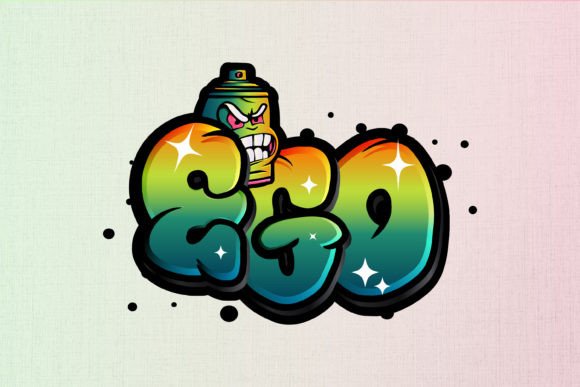
Ego: Bold, Graphic, and Ready for Embroidery
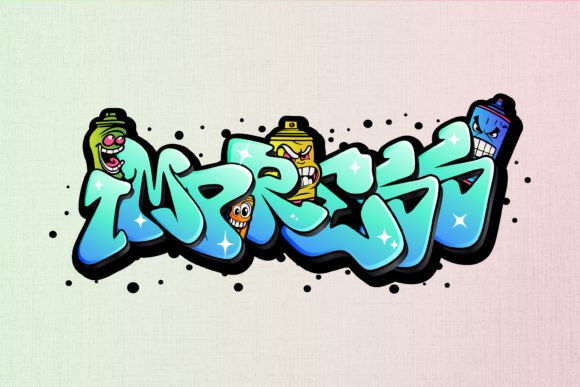
As a designer who’s worked with countless machine embroidery designs, I always start by asking myself: does this design feel like it was made to be stitched? Ego, a graffiti lettering typography art illustration, checks that box. It has a raw energy, a visual personality that screams attitude, and enough detail to make it stand out in any project. But like any good design, its success depends on how you use it.
The First Impression: A Design That Demands Attention
Ego immediately grabs your eye. The bold, graffiti-style lettering feels like it was spray-painted onto a wall, but with the precision of a digital file. The shapes are sharp, the layout is dynamic, and the overall aesthetic is edgy—perfect for anything from streetwear to custom apparel. It doesn’t shy away from complexity, which means it can work well in both simple and intricate embroidery projects.
The design’s theme is clearly urban, modern, and expressive. It’s not subtle, and that’s part of its charm. If you’re looking for something that makes a statement, Ego delivers. But if you want something minimalist or understated, this might not be the right fit.
Real-World Use: Where Ego Shines and Stumbles
I tested Ego on a few different projects, including a custom embroidered tote bag, a sweatshirt, and a baby onesie. In each case, the design held up well, but there were some nuances to consider.
On a tote bag, Ego looked powerful. The lettering was clear, the details stood out, and the overall look was professional. It would be a great addition to a craft fair booth or an Etsy shop. On a sweatshirt, the same design felt slightly overwhelming, but that’s more about the garment than the design itself. It’s all about context.
For baby items, like a onesie or a blanket, Ego could work—but only if the fabric is smooth and the stitch density is managed carefully. Thin or stretchy fabrics might cause the design to pucker or lose definition. And while the design is detailed, it’s not ideal for very small hoop sizes. You’ll need a medium to large hoop to capture all the elements properly.
When to Use Ego Carefully
There are a few situations where Ego might not perform as well. For instance, on textured fabrics or dark materials, the contrast between the thread and the background becomes crucial. If the thread color isn’t chosen carefully, the design could blend in rather than stand out.
Thin or stretchy fabrics also pose a challenge. Without proper stabilizer, the stitches might not hold, and the design could look distorted. Similarly, on curved surfaces like caps or hats, the design might not lie flat as intended. You’ll need to adjust the hoop size and possibly reposition the design to get the best result.
Detailed corners and tiny lettering can be tricky. While Ego is visually rich, some of its finer elements might not translate well in tight spaces. If you’re planning to use it on a patch or a small item, you’ll want to test it first.
Visual Appeal and Customer Perception
Ego has a strong visual appeal. Its boldness makes it instantly recognizable, which is great for branding or marketing. When stitched correctly, it adds value to any product. Customers often associate well-executed embroidery with quality, and Ego has the potential to elevate a handmade product or a commercial item.
But there’s a balance. If the design is too busy or the stitching isn’t precise, it can come off as cluttered or unprofessional. That’s why testing is so important. Whether you’re an Etsy seller or a small shop owner, the final product needs to reflect the quality of your work.
Practical Designer Notes: What to Check Before Using Ego
Before using Ego in your next project, here are a few things to keep in mind:
- Test on scrap fabric: Always try the design on a similar material before committing to a finished product.
- Check thread color contrast: Make sure the thread color complements the fabric and highlights the design.
- Review stitch density: High-density areas might require additional stabilizer or adjustments to prevent puckering.
- Confirm hoop size: Ensure the design fits within your machine’s hoop limitations.
- Inspect small details: Look closely at the corners and fine lines to see how they’ll appear when stitched.
- Test in black and white mockups: This helps you see how the design will look on different backgrounds.
- Compare light and dark fabric: The design might need tweaks depending on the fabric color.
- Use proper stabilizer: Especially for delicate or stretchy materials.
- Check licensing: Confirm whether the design is suitable for commercial use or resale.
Final Thoughts: Ego as a Versatile Embroidery Asset
Ego is a versatile machine embroidery design that can work in a variety of projects. It’s ideal for custom apparel, personalized gifts, and small business merchandise. Its bold style makes it perfect for streetwear, holiday items, or any project that needs a strong visual presence.
But like any design, it requires thoughtful application. Whether you're an embroidery designer, a craft business owner, or a digital product seller, Ego offers a lot of potential—but only if you take the time to understand its strengths and limitations.