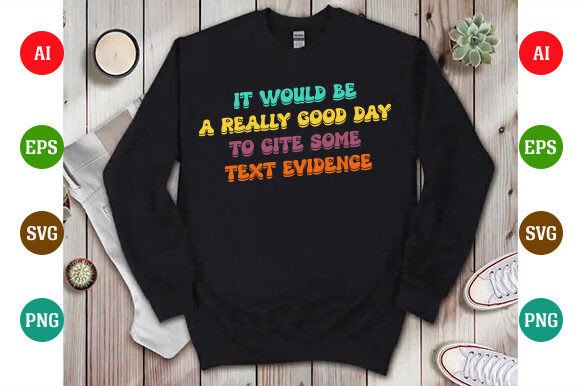
It Would Be a Really Good Day to Cite Graphics
As a graphic designer with years of experience in branding, marketing visuals, and digital design assets, I’ve seen countless creative designs come and go. But when I stumbled upon It Would Be a Really Good Day to Cite, I knew it had potential for real client projects. This design asset is more than just a catchy quote—it’s a versatile visual that can elevate a variety of creative endeavors.
The First Impression: A Mood of Positivity and Creativity
From the moment I saw It Would Be a Really Good Day to Cite, it exuded a warm, approachable energy. The typography is clean yet expressive, with a slight handcrafted feel that suggests creativity and individuality. It feels like a design that could work well in both modern and vintage contexts, depending on how it’s styled. The overall aesthetic is friendly and inviting, making it ideal for brands that want to communicate a sense of positivity or intellectual curiosity.
This design fits naturally into projects aimed at educators, students, book lovers, or anyone who values thoughtful expression. It also has a subtle academic vibe that could resonate with small businesses looking to build a brand around knowledge, learning, or personal growth.
Real-World Applications: From T-Shirt Designs to Social Media Graphics
It Would Be a Really Good Day to Cite is a strong candidate for a wide range of design applications. In t-shirt design, it works as a bold, eye-catching statement piece. For packaging design, it can serve as a decorative accent or a tagline that reinforces a brand’s message. In social media graphics, it adds a touch of personality that stands out in a crowded feed.
As a printable design, it’s perfect for stickers, wall art, and Canva templates. When used in product mockups, it brings a sense of authenticity and craftsmanship. For Cricut projects, it offers a clean, editable vector format that allows for customization without losing quality.
This asset also shines in editorial design and web design. Whether it’s part of a blog post, a newsletter, or a website header, it adds a layer of visual interest that doesn’t overwhelm the content. In digital ads or Pinterest pins, it can act as a compelling visual hook that encourages engagement.
Where It Excels: Large Layouts, Themed Campaigns, and Creative Projects
It Would Be a Really Good Day to Cite really comes into its own in large layout areas. As a hero graphic, it commands attention and sets the tone for a campaign. In themed collections, it can be paired with other similar designs to create a cohesive visual identity. For seasonal campaigns or local events, it provides a consistent look that supports the overall theme.
It also works well as a decorative accent in packaging, invitations, and posters. Its versatility makes it a great addition to a design bundle or a creative marketplace product line. For handmade businesses or Etsy products, it offers a professional-quality asset that can be used across multiple mediums.
Where to Use It Carefully: Minimalist Branding and Corporate Materials
While It Would Be a Really Good Day to Cite is visually appealing, it may not be the best fit for every project. In minimalist branding or professional corporate materials, its expressive style could clash with the desired tone. Similarly, in low-contrast designs or crowded layouts, it might get lost or become distracting.
If the goal is a clean, straightforward visual hierarchy, this design might need to be paired with simpler elements to avoid overwhelming the audience. It’s also important to consider visual trust and brand consistency when integrating it into an existing design system.
Design Considerations: Testing and Commercial Use
Before using It Would Be a Really Good Day to Cite for a client project, there are several practical steps a designer should take. Test it in black and white to see how it holds up without color. Check contrast on light and dark backgrounds to ensure readability. Preview it at different sizes to confirm that it remains legible and visually appealing.
Place it on real mockups to see how it looks in context. Test print quality if it will be used for physical products. Review file formats—whether it’s an SVG design, PNG design, or clipart—to ensure compatibility with the intended use. If transparency is involved, inspect the PNG for any issues.
Compare it with different font styles to see how it interacts with serif, sans serif, script, and display fonts. Finally, always confirm that the commercial license covers the intended use, especially when working with print-on-demand or small business branding projects.
Why It Matters: Emotional Appeal and Audience Engagement
Design isn’t just about aesthetics—it’s about connection. It Would Be a Really Good Day to Cite has a unique ability to evoke emotion and spark conversation. It can make a brand feel more relatable, encourage engagement, and add a personal touch to marketing materials.
In a world where visual consistency is key, this design asset helps maintain a cohesive look while still allowing for creative expression. It supports brand identity by reinforcing a message that resonates with the target audience. And for content creators or bloggers, it adds a fresh, engaging element to their work.
Final Thoughts: A Versatile Asset for Creative Professionals
It Would Be a Really Good Day to Cite is more than just a design—it’s a tool that can enhance a wide range of creative projects. Whether you’re working on t-shirt designs, social media graphics, or packaging design, this asset has the potential to elevate your work and bring a new level of polish to your visuals.
For designers, brand owners, and small business owners, it represents a valuable addition to any creative marketplace collection. With the right application and consideration, it can help create a more engaging, professional, and emotionally resonant design experience for clients and audiences alike.