Thunder: Graphics for T-Shirt Designs
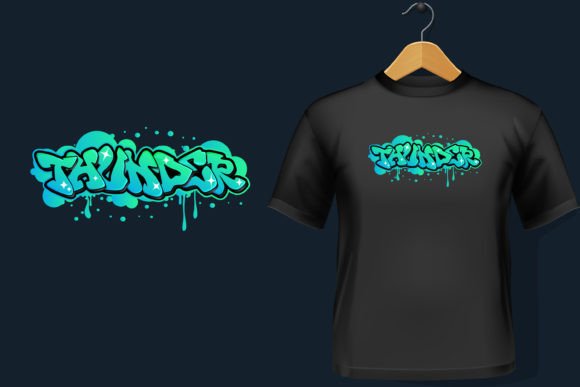
Thunder is a graphic design asset that brings a bold and edgy vibe to any content project. With its graffiti lettering typography art illustration, it’s perfect for bloggers, publishers, and digital marketers looking to add visual flair to their website, editorial layouts, or social media graphics.
The First Impression of Thunder
As soon as you lay eyes on Thunder, you’re met with a strong sense of energy and creativity. The graffiti-style lettering exudes a rebellious yet artistic mood, making it ideal for content niches that lean into lifestyle, street culture, or modern design trends. It feels like a visual punch that demands attention, which can be incredibly effective in content marketing and brand identity projects.
This design asset works best in environments where a bit of attitude and personality are welcomed. It’s not the kind of asset you’d use for corporate branding, but it shines in creative marketplaces, small business branding, or digital products aimed at younger, more expressive audiences.
Real Publishing Use Cases for Thunder
Thunder can be used in a variety of real publishing situations. For bloggers and content creators, it’s a powerful tool for blog graphics, especially when creating featured images, Pinterest pins, or article headers. Its bold typography makes it an excellent choice for website headers, editorial layouts, and newsletter graphics.
It also works well as a Canva template, allowing users to quickly generate professional-looking visuals without needing advanced design skills. Digital guides, lead magnets, and downloadable printables can benefit from Thunder’s striking aesthetic, giving them a more polished and engaging look.
For affiliate marketers and content publishers, Thunder can serve as a visual anchor for digital ads, social media posts, and content upgrades. Its high-quality files—AI, EPS, SVG, and PNG—ensure that it looks sharp across different platforms and formats.
How Thunder Supports Content Performance
Using Thunder in your content strategy can significantly improve first impressions and visual hierarchy. Its eye-catching design helps content stand out in crowded feeds, increasing the likelihood of clicks and engagement. This is especially important for blog posts, social media visuals, and email newsletters where attention spans are short.
Thunder also contributes to stronger brand identity. When used consistently across different content types—like blog thumbnails, Pinterest pins, or website banners—it creates a cohesive and recognizable visual style. This consistency builds reader trust and improves category recognition, making it easier for audiences to navigate and engage with your content.
Additionally, Thunder’s versatility allows it to support multiple content formats. Whether you're designing a downloadable resource, a digital guide, or a media kit, this graphic design asset adds a layer of professionalism and creativity that elevates the overall quality of your work.
Where Thunder Works Best
Thunder excels in visual spaces that require a strong, stylized presence. Hero images, article thumbnails, and Pinterest pins benefit greatly from its bold typography. It also works well as an editorial accent in blog layouts, helping to break up text and draw attention to key sections.
For content upgrades and lead magnets, Thunder can make your offer more appealing and visually compelling. It’s also a great fit for social media previews, where a strong image can encourage clicks and shares.
Where to Use Thunder Carefully
While Thunder is a powerful design asset, it may not be suitable for every situation. On small mobile thumbnails, the intricate details might get lost, reducing its impact. In text-heavy blog images, it could overwhelm the message rather than enhance it.
Low-contrast backgrounds or busy layouts may dilute the visual strength of Thunder. Similarly, in serious professional niches or corporate content, its graffiti style might feel out of place. If your brand relies on minimalism or clean design, Thunder could clash with your existing visual system.
Publisher Notes for Using Thunder
Before integrating Thunder into your content workflow, test it on both desktop and mobile screens to ensure it looks good at all sizes. Preview it inside a real blog layout to see how it interacts with other elements. Check how it appears with headline text, and evaluate its contrast and readability against different background colors.
Try using Thunder in black and white to see if it still holds up. Place it beside various font styles—serif, sans serif, script, handwritten, and display—to determine how it complements your existing typography. Also, review the file size for web performance and compress images properly before uploading them to your site.
Finally, always confirm the commercial license before using Thunder on monetized websites, affiliate pages, or paid content products. This ensures that you’re compliant and can use the design asset without legal issues.
Thunder in the Creative Marketplace
Thunder is a prime example of how a well-crafted graphic design asset can elevate content publishing. Whether you're working on a digital product, printable design, or Canva template, Thunder offers a unique and stylish option that can help your content stand out in a competitive creative marketplace.
For small business branding, Thunder provides a way to inject personality into your visual identity. As a digital download, it’s easy to access and apply across multiple platforms, making it a valuable addition to any designer’s toolkit.
In summary, Thunder is more than just a set of files—it’s a versatile and impactful design asset that can enhance your editorial design, web design, and content marketing efforts. With the right approach, it can become a cornerstone of your visual strategy, helping you create more engaging, professional, and memorable content.